Lagos fuel depots abandoned because of Dangote Refinery direct petrol supplies
Private depots in Lagos and surrounding areas were largely deserted on Monday as the Dangote Petroleum Refinery began direct distribution of petrol to marketers, reshaping Nigeria’s downstream sector.
Market checks showed that depot operators suspended regular activities, anticipating the impact of Dangote’s rollout. An industry source disclosed that the refinery’s direct supplies have led to skeletal operations at private depots.
Chief Executive Officer of Petroleumprice.ng, Olatide Jeremiah, said the sector has been “destabilised” by Dangote’s emergence as the new market leader.
He noted that the refinery rolled out 1,000 trucks on Monday, intensifying pressure on depot operators and causing a decline in purchases.
“For the first time, global oil prices are rising while depot prices are falling—that is the power of local market forces engineered by Dangote Refinery,” Jeremiah said, adding that the shake-up could usher in greater efficiency and lower pump prices.
Dangote Marks One Year of Petrol Supply
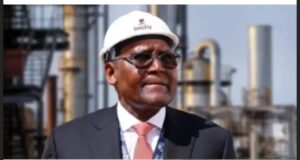
Speaking at a conference marking the refinery’s first anniversary of petrol supply, President and Chief Executive of the large refinery train, Aliko Dangote, said the 650,000-barrel-per-day refinery has already strengthened Nigeria’s energy security.
“We have been battling fuel queues since 1975, but today Nigerians are witnessing a new era,” Dangote said.
He acknowledged resistance from vested interests in the industry but stressed that the project was never about displacing competitors. “Some believed we were taking food from their tables. What we have done is to make our country and continent proud,” he added.
High-Risk Gamble That Paid Off
Dangote disclosed that the refinery project involved enormous financial risks, with repeated warnings from industry experts and investors that only sovereign nations attempted such large-scale refineries.
“The decision to build the refinery was not easy. If it had gone wrong, lenders would have taken our assets. But we believed in Nigeria and Africa,” he said.
With the refinery now supplying directly to marketers, industry players say Nigeria’s downstream market is entering a historic transformation that could cut import dependence and stabilise petrol availability across Africa’s largest economy.
However, there are concerns that the process could also lead to a monopoly that could harm the entire value chain if regulators and other operators do not exercise care.
It was also pointed out that the danger in the adoption of direct supply by Dangote Refinery is that any disruption in the transportation could lead to a massive shortage in the system and lead to major disruption in the economy.
*globalfinancialdigest